Chessington Zoo

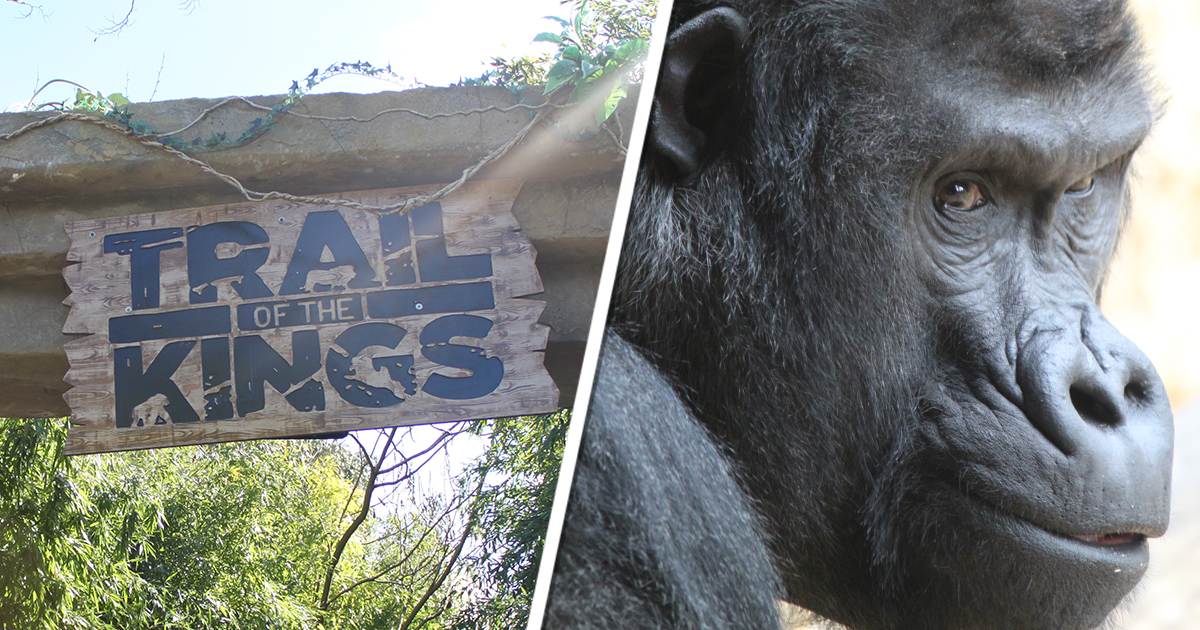
Step into the wild side of Chessington World of Adventures Resort and discover the historic heart of the park—Chessington Zoo. First opened in 1931 by Reginald Goddard, the zoo began as a personal collection of exotic animals. However, it quickly grew into one of the UK’s most recognisable wildlife attractions, forming the very foundation of the resort we know today.

Today, the zoo continues to play a vital role in the Chessington experience. As you explore, you’ll encounter a diverse mix of animals, from playful primates to impressive African species. Meanwhile, the on-site Sea Life centre offers a completely different adventure, where marine creatures glide through underwater habitats. Together, these experiences create a varied and engaging journey through both land and sea.

However, the zoo is also entering a period of change. At the end of 2025, Chessington said goodbye to its iconic big cats, which had long been a major highlight for guests. As a result, their departure has left a noticeable gap in the animal line-up. For many visitors, this marks the end of an era, while also raising questions about what might come next.

Looking ahead, there is growing curiosity about the zoo’s future. Could new developments already be in the pipeline? Perhaps larger enclosures, new species, or refreshed habitats could help re-energise the area. While nothing has been officially confirmed, the potential for transformation certainly feels exciting.

That said, the zoo still retains its charm and importance. Although some areas may feel a little dated, its legacy remains deeply woven into Chessington’s identity. In fact, it’s this blend of history and evolution that makes the zoo such a unique part of the resort.

Ultimately, Chessington Zoo is more than just an attraction. It’s where the story began, and it continues to evolve alongside the park itself. So, whether you’re discovering it for the first time or revisiting old favourites, there’s always something new to explore—and perhaps even more on the horizon.

Animals

Asian Short-Clawed Otter

The Asian short-clawed otter is the smallest otter species in the world, known for its playful nature and expressive features. Its soft brown fur, rounded face, and short claws give it a distinctive appearance. As a result, it is both highly recognisable and perfectly adapted to its environment.

Native to South and Southeast Asia, this otter inhabits rivers, wetlands, mangroves, and coastal areas. In particular, it thrives in habitats with shallow water and abundant food sources. Because of this, it spends much of its time foraging along riverbanks and in muddy areas.

Unlike other otters, the Asian short-clawed otter has reduced webbing and dexterous front paws. These allow it to feel and manipulate objects with precision. Consequently, it can locate and catch prey such as crabs, molluscs, and small fish with impressive skill.

In terms of behaviour, these otters are highly social and live in close-knit family groups. They communicate using a wide range of vocalisations, from chirps to whistles. Meanwhile, their strong bonds help them cooperate when foraging and caring for young.

Interestingly, the Asian short-clawed otter is both playful and intelligent. It often engages in social play, including sliding, wrestling, and chasing. Therefore, these behaviours help strengthen relationships within the group and develop important survival skills.

Overall, the Asian short-clawed otter is a lively and adaptable species with strong social connections. While it may be small, its behaviour is full of energy and purpose. As a result, it thrives in wetland environments where teamwork and communication are key to survival.

No photos available.

California Sea Lion

The California sea lion is a sleek and powerful marine mammal, known for its streamlined body and expressive features. Its coat ranges from light brown to dark chocolate, often appearing lighter when dry. As a result, it is easily recognised both in and out of the water.

Native to the west coast of North America, the California sea lion inhabits coastal waters, beaches, and rocky shores. In particular, it favours areas with easy access to both land and open ocean. Because of this, it regularly moves between swimming and resting sites throughout the day.

Unlike true seals, California sea lions have external ear flaps and strong, flexible flippers. These features allow them to “walk” on land by rotating their hind flippers forward. Consequently, they are surprisingly agile on shore as well as highly efficient swimmers in the water.

In terms of diet, California sea lions are carnivorous and feed mainly on fish and squid. They hunt using their speed, agility, and keen senses to track prey underwater. Therefore, they play an important role in maintaining balance within marine ecosystems.

Interestingly, California sea lions are highly social animals that gather in large groups called colonies. They communicate using a variety of barks, growls, and body movements. Meanwhile, these interactions help establish hierarchy and maintain group cohesion.

Overall, the California sea lion is a dynamic and adaptable species, perfectly suited to life along the coast. While it appears playful and curious, it is also a skilled predator. As a result, it thrives in the ever-changing conditions of its marine environment.

No photos available.

Humboldt Penguin

The Humboldt penguin is a distinctive and charismatic bird, recognised by its black-and-white plumage and bold chest band. A pink patch of bare skin around the eyes and bill helps it regulate heat. As a result, it is well adapted to life in warmer climates compared to many other penguin species.

Native to the coasts of Peru and Chile, the Humboldt penguin lives along rocky shores and islands influenced by the cold Humboldt Current. In particular, it thrives in areas where nutrient-rich waters support abundant marine life. Because of this, it spends much of its time hunting at sea.

Although it cannot fly, the Humboldt penguin is an excellent swimmer. It uses its flipper-like wings to propel itself through the water with speed and agility. Consequently, it can chase and catch fast-moving prey with impressive precision.

In terms of diet, this penguin mainly feeds on fish such as anchovies and sardines. It may also consume squid and crustaceans when available. Therefore, it plays an important role in maintaining balance within its marine ecosystem.

Interestingly, Humboldt penguins often nest in burrows or sheltered crevices to stay cool and protected. They are also highly social, forming colonies where individuals communicate through a range of vocal calls. Meanwhile, these interactions help strengthen pair bonds and group structure.

Overall, the Humboldt penguin is a fascinating and adaptable species, perfectly suited to its coastal environment. While it shares traits with colder-climate penguins, it has evolved to handle warmer conditions. As a result, it thrives along the Pacific coastline of South America.

No photos available.

Reindeer

Reindeer are hardy and iconic mammals, instantly recognised by their thick fur and impressive antlers. Uniquely, both males and females can grow antlers, which sets them apart from most deer species. As a result, they are well adapted to life in some of the coldest environments on Earth.

Native to Arctic and subarctic regions, reindeer inhabit tundra, forests, and snowy plains. In particular, they thrive in areas with vast open spaces and seasonal vegetation. Because of this, they are well known for their long migrations in search of food.

Although conditions can be extreme, reindeer are superbly adapted to the cold. Their dense fur provides insulation, while their wide hooves help them walk on snow and soft ground. Consequently, they can travel efficiently across challenging terrain throughout the year.

In terms of diet, reindeer are herbivores that feed on grasses, mosses, and lichens. During winter, they use their hooves to dig through snow to reach food below. Therefore, their ability to find nourishment in harsh conditions is key to their survival.

Interestingly, reindeer have specialised adaptations for seasonal changes. Their noses help warm cold air before it reaches their lungs, while their fur traps heat effectively. Meanwhile, their keen senses allow them to detect predators even in low visibility.

Overall, reindeer are resilient and well-adapted animals, built to endure extreme climates. While they may appear gentle, they are strong and capable travellers. As a result, they continue to thrive across vast northern landscapes where few other large mammals can survive.

No photos available.